The case for slower spinning sessions
This opinion piece argues that a patient, deliberate approach makes virtual spinning more instructive and more enjoyable, while acknowledging where speed still has its place.
The pull of speed
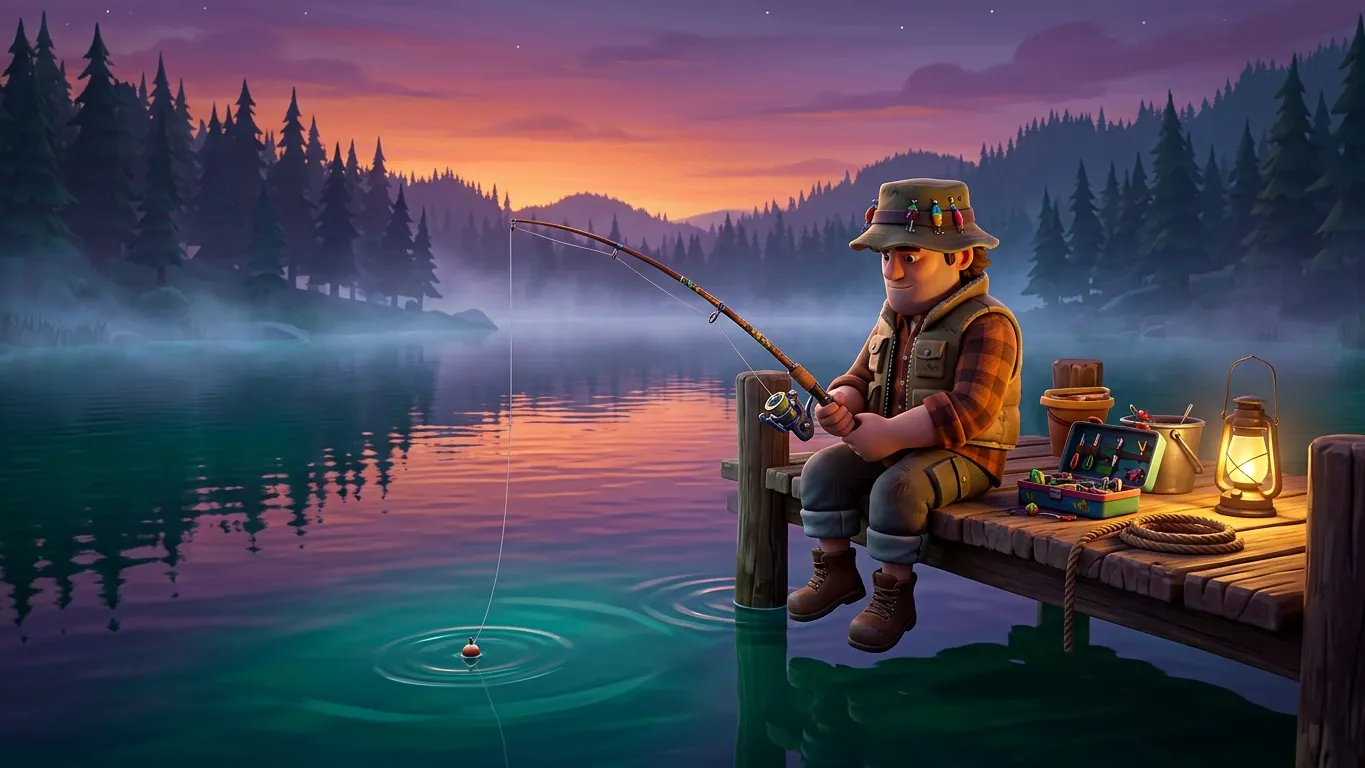
Many players approach virtual spinning at full speed: long casts, fast retrieves, quick lure swaps and constant movement around the map. It feels productive, and in a game it is tempting to treat every minute as a race. The view on this blog, and it is only one opinion, is that slowing down makes most spinning sessions in Fishing Planet more enjoyable and more instructive.
There is nothing wrong with a fast session now and then. But speed tends to hide the details that make spinning interesting, and it can turn a calm, absorbing game into a frustrating one when bites do not come quickly.
What patience reveals on the water
When you slow down, you start to notice things. You see how a spoon flutters on the drop, how a wobbler hangs in place during a pause, how a soft plastic glides after a lift. You notice the moment a follow begins, not just the moment it ends. These details are easy to miss at speed, yet they are exactly what experienced players rely on when choosing their next move.
Slowing down also changes how you look at the water. Instead of treating it as a backdrop, you start reading shoreline features, shadows and surface movement. The scenery becomes a source of information rather than decoration.
Fewer casts, better casts
A slow approach does not mean fewer opportunities. It means each cast has a purpose. Before casting, decide where the lure should travel, what depth it should reach and where a predator might be waiting. After the cast, consider what happened and what to change.
This turns a session into a series of small experiments. Ten deliberate casts along a weed edge, each varied slightly, can teach you more than fifty rushed casts across open water. It also reduces lost lures, because careful casts near cover mean fewer snags and fewer breaks, keeping your attention on fishing rather than re-rigging.
Where speed does make sense
To be fair, speed has its place. When searching a large area for active fish, faster retrieves with spoons or spinners cover water efficiently. When predators are clearly chasing baitfish near the surface, a quick, erratic retrieve can match their mood. And sometimes a fast lure draws a reaction from a fish that ignores slower offerings.
The point is not that slow is always right, but that speed should be a choice rather than a default. Knowing when to switch between the two is a skill in itself.
A slower session plan to try
If you want to test this idea, try a session built around patience. Pick one location and stay there. Spend the first few minutes reading the water and choosing three target areas. Use one lure for each area and fish it with at least two different retrieves before changing anything. Keep a short note of what you observe, including follows, depths and timing.
At the end, compare it with a typical fast session. You may catch fewer fish, the same number or more, and results will vary from one session to the next. What is likely to change is how much you understand about why the fish behaved as they did. In a game built around observation and timing, that understanding is a large part of the enjoyment.
Virtual spinning rewards curiosity. Giving yourself time to watch, test and think is a simple way to get more out of every visit to the water.
Related articles
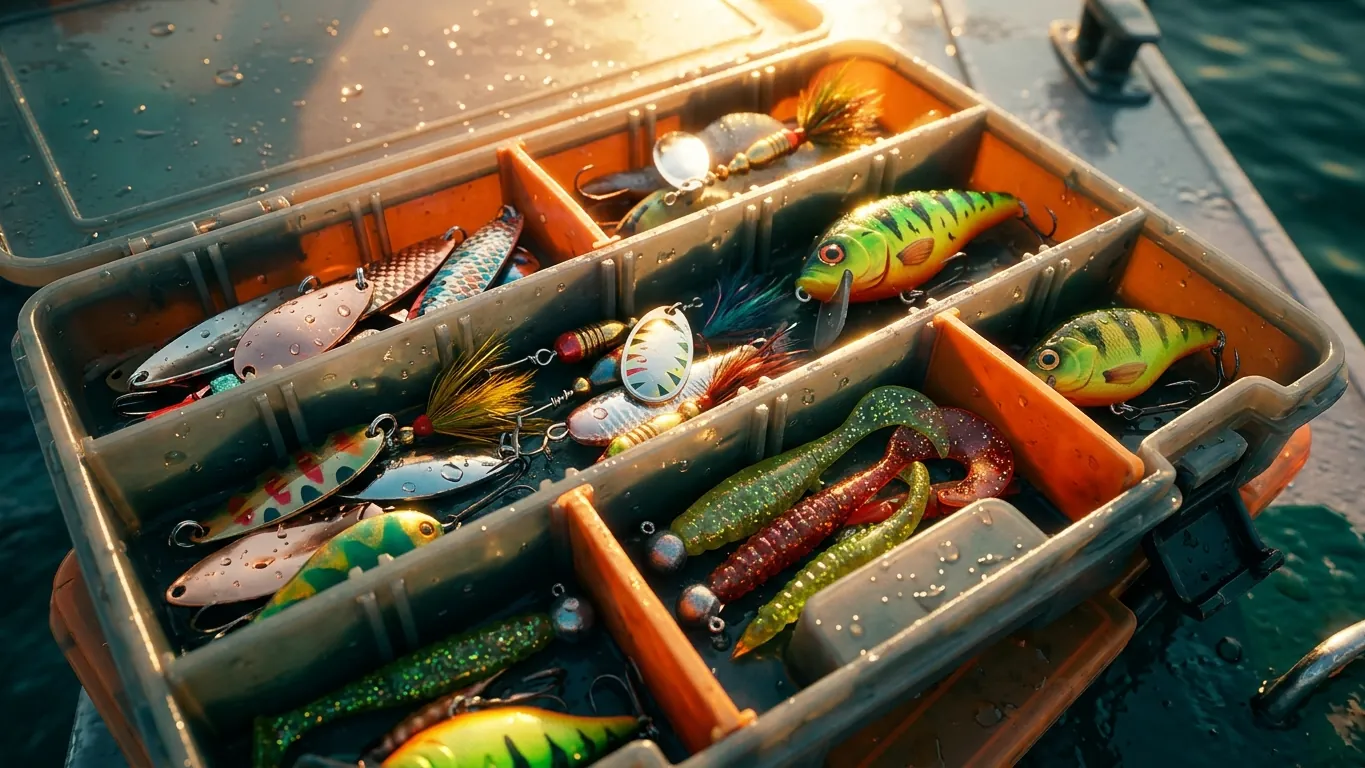 Choosing the right spinning lure
How to choose spinning lures in Fishing Planet: spoons, spinners, wobblers, soft plastics and topwater baits matched to depth, clarity and species.
Read more
 Spinning retrieve styles, drawn out
A practical breakdown of spinning retrieves in Fishing Planet, from steady and stop-and-go to twitching and lift-and-drop, with simple path diagrams.
Read more
 Where predators wait
Learn where predatory fish hold in Fishing Planet: structure, drop-offs and a step-by-step search routine for any new spinning location.
Read more