Balancing your spinning tackle
A spinning setup works as a chain, and the weakest link decides what happens when a strong fish pulls. Here is how to make the parts work together.
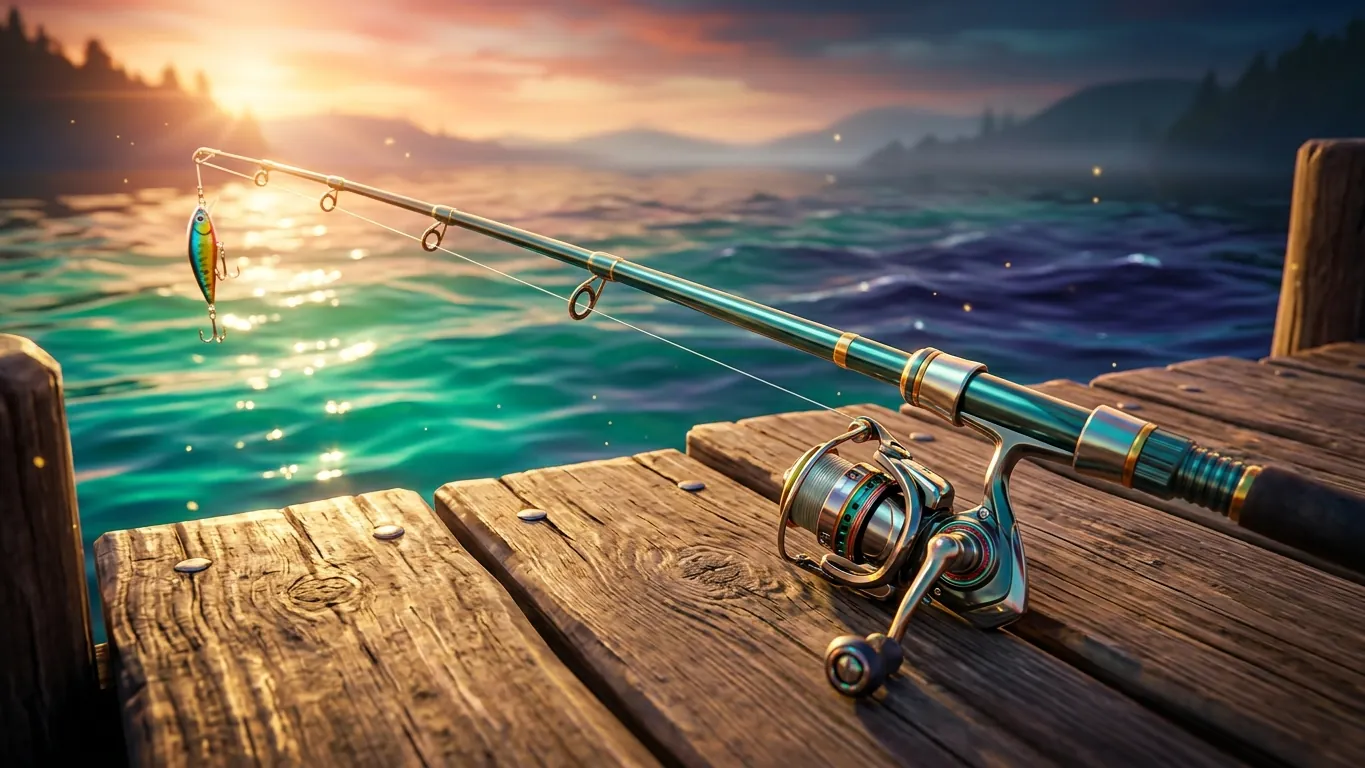
Why a balanced setup matters
A spinning setup is a chain: rod, reel, line, leader and lure. Each part has limits, and the weakest link decides what happens when a strong fish pulls. In Fishing Planet, a mismatched setup typically shows up as poor casting distance, a lure that feels lifeless, or line breaking at the worst possible moment.
Balancing tackle does not require the most expensive equipment. It requires parts that suit each other and suit the fishing you plan to do.
Rod power, action and casting weight
The rod's casting weight range tells you which lures it handles comfortably. Light lures on a heavy rod barely load the blank, so casts fall short and you feel little of the lure's action. Heavy lures on a light rod overload it and raise the risk of breakage.
Action describes where the rod bends. Faster actions bend mostly near the tip, giving sensitivity and quick hooksets that suit jigs and twitched lures. Moderate actions bend further down, absorbing sudden lunges and suiting crankbaits and spinners. Pick the rod first based on the lures you plan to use, then build the rest around it.
Reel size and drag
The reel should balance the rod in weight and hold enough line of the strength you need. Smaller reels pair with light rods for small lures; larger reels suit heavier rods and bigger fish.
Drag is the part beginners often overlook. It lets line slip under tension instead of breaking. Set it below the breaking strength of your line so that a sudden run takes line rather than snapping it, but not so loose that you cannot control the fish. Revisit the drag whenever you change line.
Line and leader choices
Main line types differ in useful ways. Braided line has little stretch, which helps with bite detection and hooksets at distance, but it is more visible. Monofilament stretches more, which cushions sudden pulls and is forgiving for beginners. Fluorocarbon is less visible in water and is often used as a leader.
For predators with sharp teeth, a tougher leader can help reduce bite-offs. Keep in mind that the leader, the knot or the main line, whichever is weakest, sets the limit of the whole system.
Match line strength to the rod and the fish you expect. Very heavy line on a light rod adds little, because the rod or the drag will reach its limit first.
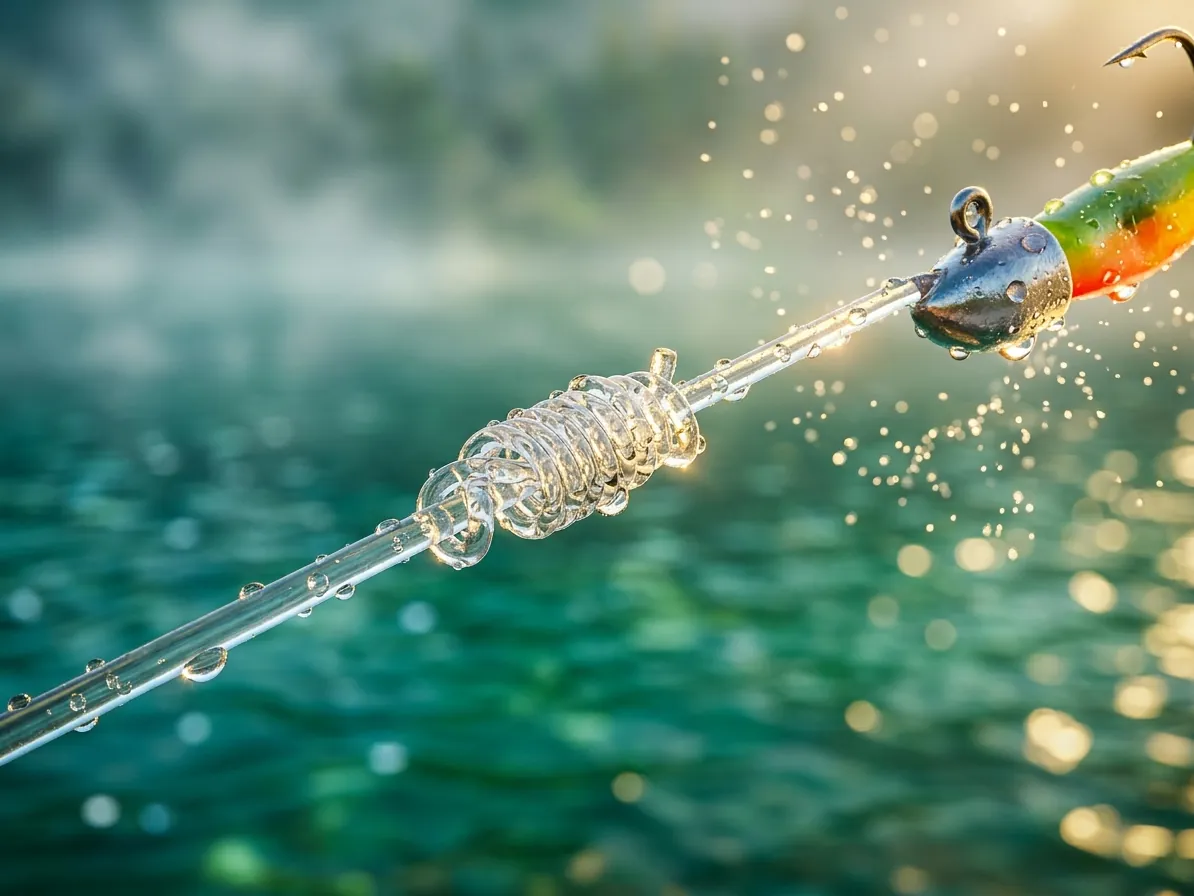
Checking a spinning setup before a session
Run through these checks before heading to your main spot.
- 01
Confirm the lure weight
Make sure the lures you plan to use sit within the rod's casting weight range.
- 02
Compare line and rod ratings
Check that the line strength fits the rod's intended use rather than far exceeding or falling below it.
- 03
Set the drag
Adjust the drag to stay below the line's breaking strength, leaving room for strong runs.
- 04
Add a suitable leader
Use a leader suited to the species, especially toothy predators, and remember it may be the weakest link.
- 05
Make a test cast
Cast a few times near the bank to feel the balance and watch the lure's action before moving on.
Keeping two setups ready
Many players find it useful to keep two spinning setups ready: a lighter one for spinners, small spoons and soft plastics, and a heavier one for larger crankbaits and stronger predators. Switching between them is faster than re-rigging, and each can stay balanced for its role.
When you upgrade an item, look at how it changes the balance of the whole chain. A stronger line may call for a different drag setting, and a new rod might open up lure sizes you could not cast well before. Thinking in terms of systems rather than single items keeps your setups dependable.
Related articles
 Four spinning situations, broken down
Four common spinning situations in Fishing Planet explained: follows without strikes, constant snags, lost fish and long quiet spells.
Read more
 The case for slower spinning sessions
An opinion piece on why a slower, more deliberate spinning style in Fishing Planet can teach more about lures, retrieves and fish behaviour.
Read more
 Choosing the right spinning lure
How to choose spinning lures in Fishing Planet: spoons, spinners, wobblers, soft plastics and topwater baits matched to depth, clarity and species.
Read more